
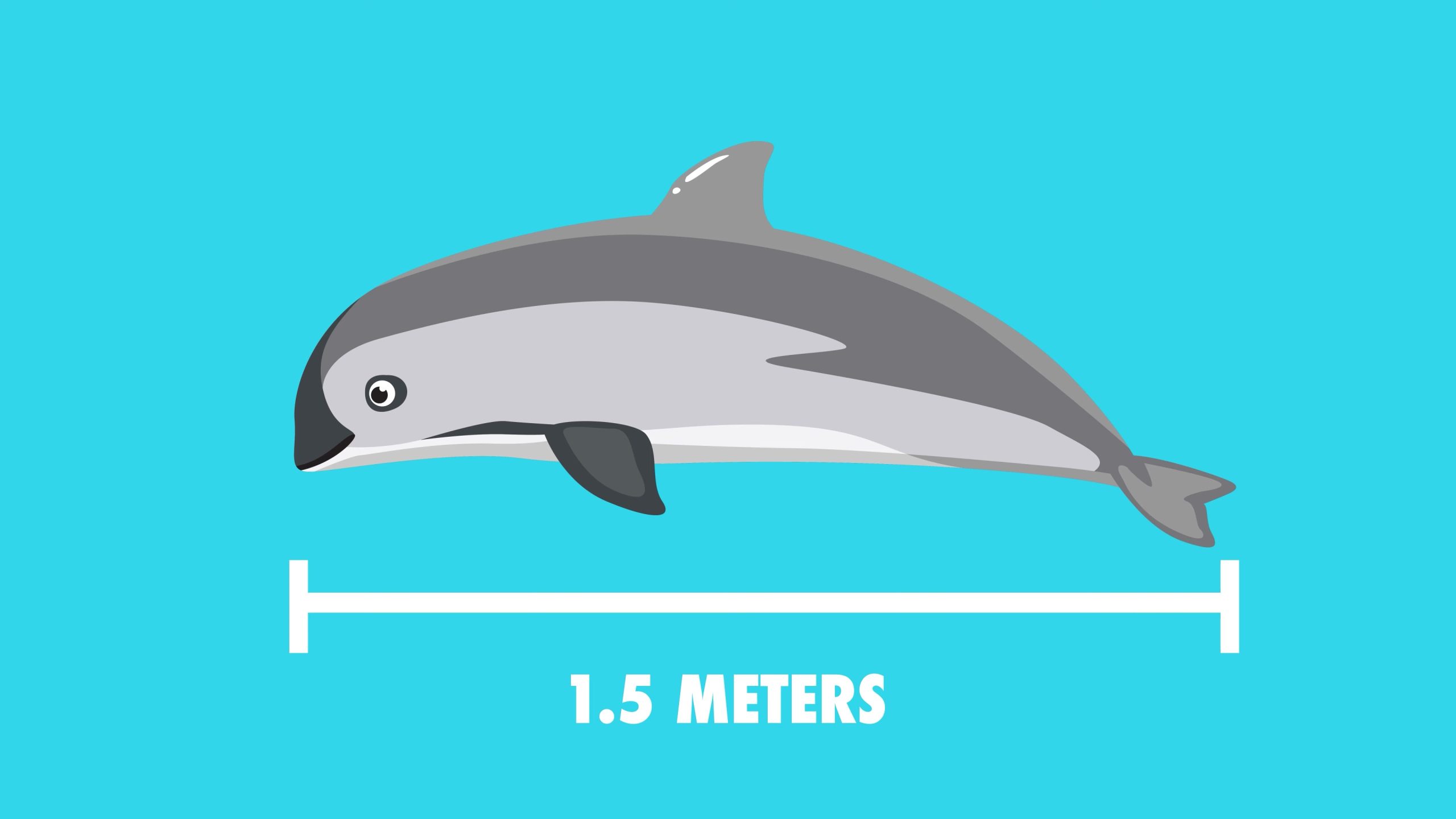
There are approximately ten vaquitas left in the world. They don’t live in captivity. They can’t be bred in aquariums. And they inhabit one of the most dangerous trafficking zones in the ocean.
A new video from Animalogic tells the story of what’s being done to protect them—and why there’s still hope.
Watch as scientists, Sea Shepherd crews, and Mexican authorities confront the crisis facing the vaquita in this short film from Animalogic.
How to Save the Most Endangered Whale brings viewers inside the crisis—and aboard Sea Shepherd’s ships—to understand what’s at stake and what’s still possible.
For nearly a decade, Sea Shepherd has worked in the Upper Gulf of California alongside Mexican authorities to defend the vaquita from extinction. Today, through direct collaboration with the Mexican Navy, we maintain a constant presence in the Vaquita Refuge—retrieving illegal gillnets, deploying acoustic detection equipment, and supporting scientific teams on the water.


The video features voices from every part of this effort:
- Heidy Martínez, Sea Shepherd biologist aboard the Seahorse
- Dr. Barbara Taylor and Dr. Lorenzo Rojas-Bracho, leading vaquita scientists
- Conservation groups like Pesca ABC and ProNatura Noroeste
- Local fishermen now working alongside scientists to track and protect the species
“The vaquita would have gone extinct if it wasn’t for Sea Shepherd.”
— Dr. Barbara Taylor
Backed by hard data and firsthand footage, the film traces the vaquita’s decline, the failed effort to hold them in captivity, and the turning point that helped stabilize the core protected zone. What emerges is a rare example of what can happen when governments, NGOs, and communities work together.
Sea Shepherd’s presence in the Zero Tolerance Area—alongside acoustic recorders, Navy patrols, and scientific surveys—is the only reason these animals still have a fighting chance.
Watch the video. Share it. And if you can, help us keep this mission going.


