

This week showed why keeping a permanent Sea Shepherd vessel in the Vaquita Refuge matters for both wildlife protection and human safety. When a small vessel with three people aboard went missing off the coast of Sonora, the Bob Barker was already on the water conducting monitoring operations. With rising winds and deteriorating seas, our crew immediately coordinated with the Mexican Navy and began searching as soon as the report came in.
For years our teams have maintained an uninterrupted presence in one of the most dangerous and heavily targeted marine regions in North America. The same waters where illegal totoaba nets threaten the vaquita are also unforgiving for small vessels facing mechanical failure or sudden weather shifts. Being already positioned in the refuge means our crews can respond within minutes when an emergency unfolds.


After receiving the information, the Bob Barker relayed the vessel’s last known coordinates to the Mexican Navy and moved toward the search area. Through shifting wind, swell, and limited visibility, our team continued operations into the night, deploying drones to widen the search grid and maintaining direct communication with Search and Rescue units in Puerto Peñasco, Sonora, and San Felipe, Baja California.
The missing vessel was ultimately located by a Mexican Navy aircraft, and all three individuals were brought safely to shore. Our crew remained on scene through changing conditions and supported the operation until the search concluded.
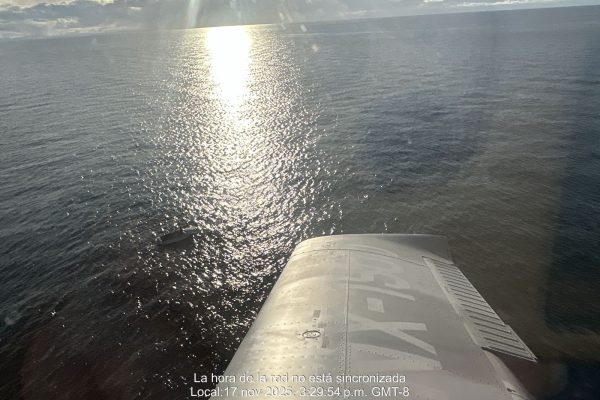

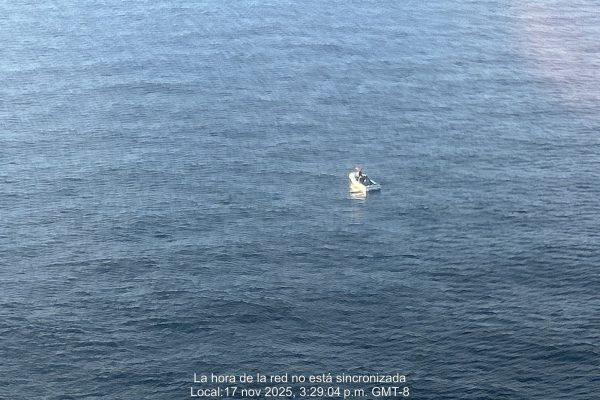
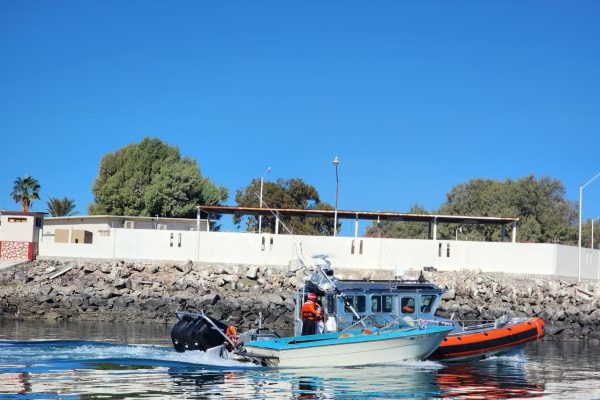
This rescue reinforces the value of having a permanent vessel in the Upper Gulf. Our teams have removed illegal gear threatening the vaquita, extended monitoring capacity with drones and thermal systems, supported Navy patrols inside the refuge, and now played a role in a life-saving effort for three people who went missing off the coast of Sonora.
Sea Shepherd continues to stand watch in the Vaquita Refuge alongside our partners in Mexico. Our commitment remains the same: protect life in all forms, support the communities who depend on these waters, and ensure help is already on the ocean when it is needed most.


