
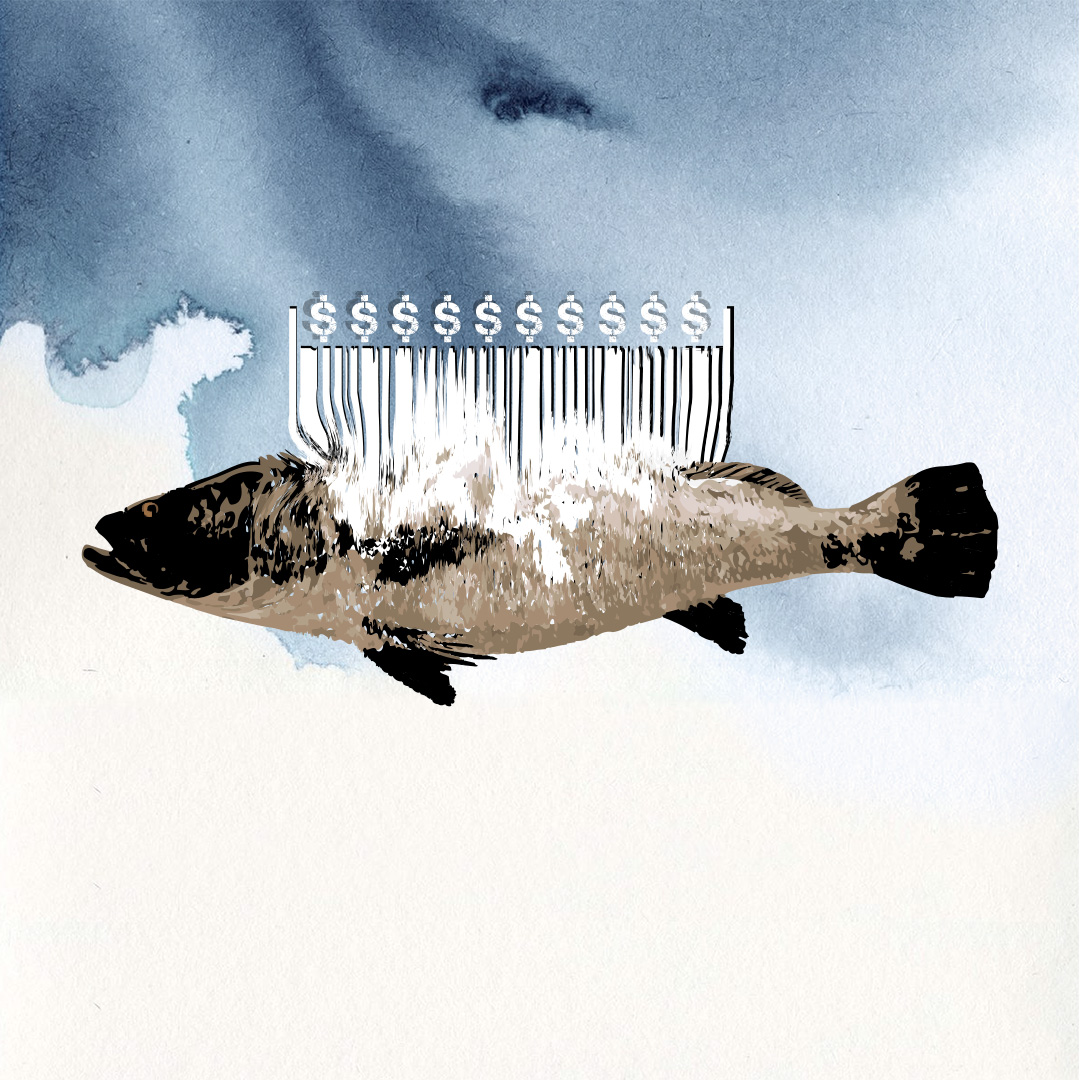
Early in the year, the northern Gulf of California enters totoaba season, a period marked by a sharp rise in illegal fishing activity driven by demand for totoaba swim bladders in international black markets. The impact of this trade extends far beyond a single species, destabilizing the entire ecosystem of the Upper Gulf. Most critically, this illegal fishery is the primary driver of the vaquita’s decline.
From January through April, totoaba migrate and aggregate in the Upper Gulf, making them easy targets for poachers. Illegal fishers deploy large mesh gillnets to catch them. These nets are nonselective by design, trapping any animal that encounters them.


Vaquita are similar in size to totoaba, making the same nets intended for totoaba especially lethal to them. They die as bycatch, drowning when entangled in gillnets set for totoaba. With a small remaining population, a single net can have irreversible consequences.
Although the vaquita refuge is legally protected, enforcement gaps exist and are exploited. Illegal fishing often occurs at night or during lapses in patrol coverage, which is why constant surveillance and enforcement is essential.
This is why Sea Shepherd maintains a continuous operational presence in the refuge during totoaba season, in coordination with the Mexican Government.
Why Constant Presence Is Critical
The Vaquita Operation is built around a simple reality: intermittent enforcement does not work. Only around the clock monitoring and rapid response can prevent illegal fishing in such a high risk and lucrative fishery.
Sea Shepherd vessels patrol the refuge day and night, working in direct coordination with the Mexican Navy who acts to enforce the law. Together we locate illegal nets and remove them before wildlife is harmed. Each net removed is not just a piece of gear recovered. It is a direct intervention that can mean the difference between life and death for a vaquita.
This constant presence also acts as a deterrent. When enforcement vessels are visible and active, illegal fishers are far less likely to deploy nets. When that presence disappears, illegal activity returns almost immediately.


A Race Against Time
The vaquita population is now so small that every remaining individual matters. Totoaba season concentrates risk into a narrow area inhabited by the vaquita, making this one of the most intense and critical periods of the Vaquita Defense. It is when the pressure from illegal fishing is highest, and when enforcement must be strongest.
Holding the Line for the Vaquita
Sea Shepherd’s role in the Upper Gulf is to help hold that line. By maintaining a constant presence and working alongside the Mexican Navy, the operation exists to give the vaquita a fighting chance to survive in its remaining habitat.
This work is difficult, dangerous, and resource intensive. Thanks to continued support, Sea Shepherd crews are able to remain on station during totoaba season, defending the refuge, and working every day to prevent the extinction of the vaquita.
Power Defense During Totoaba Season
Illegal fishing spikes during totoaba season in the Upper Gulf of California. Monthly support keeps patrols active when enforcement matters most.


