
Three illegal fishermen have been detained at Arrecife Alacranes National Park, following a joint patrol between Sea Shepherd Conservation Society and Mexican Authorities inside the protected waters of Scorpion Reef.
Sea Shepherd works in coordination with the Government of Mexico through the Secretaría de Marina (SEMAR), Comisión Nacional de Áreas Naturales Protegidas (CONANP), Procuraduría Federal de Protección al Ambiente (PROFEPA), and Comisión Nacional de Pesca y Acuacultura (CONAPESCA) to protect the waters of Arrecife Alacranes and Bajos del Norte. These remote reefs in the Gulf of Mexico are among the most important marine ecosystems in the region and are frequently targeted by illegal fishing vessels seeking high-value and protected species such as pink conch.
Sea Shepherd and Mexican Authoritied intercepted conch poachers inside Arrecife Alacranes National Park.
Early Morning Search Across the Reef
In the early morning hours, Sea Shepherd and SEMAR launched a planned joint patrol to search the reef for suspected illegal fishing vessels. Multiple drone flights and surface patrols were conducted across the reef system, but no vessels were located during the initial sweep. After returning to the Sea Shepherd vessel Sharkwater to prepare for a debrief with the Mexican Navy (SEMAR), a panga was spotted operating inside the reef.


Pursuit and Inspection
A Sea Shepherd fast boat and two SEMAR patrol boats launched immediately to intercept the vessel. During the pursuit, the fishermen threw a bag overboard believed to contain illegally harvested pink conch.
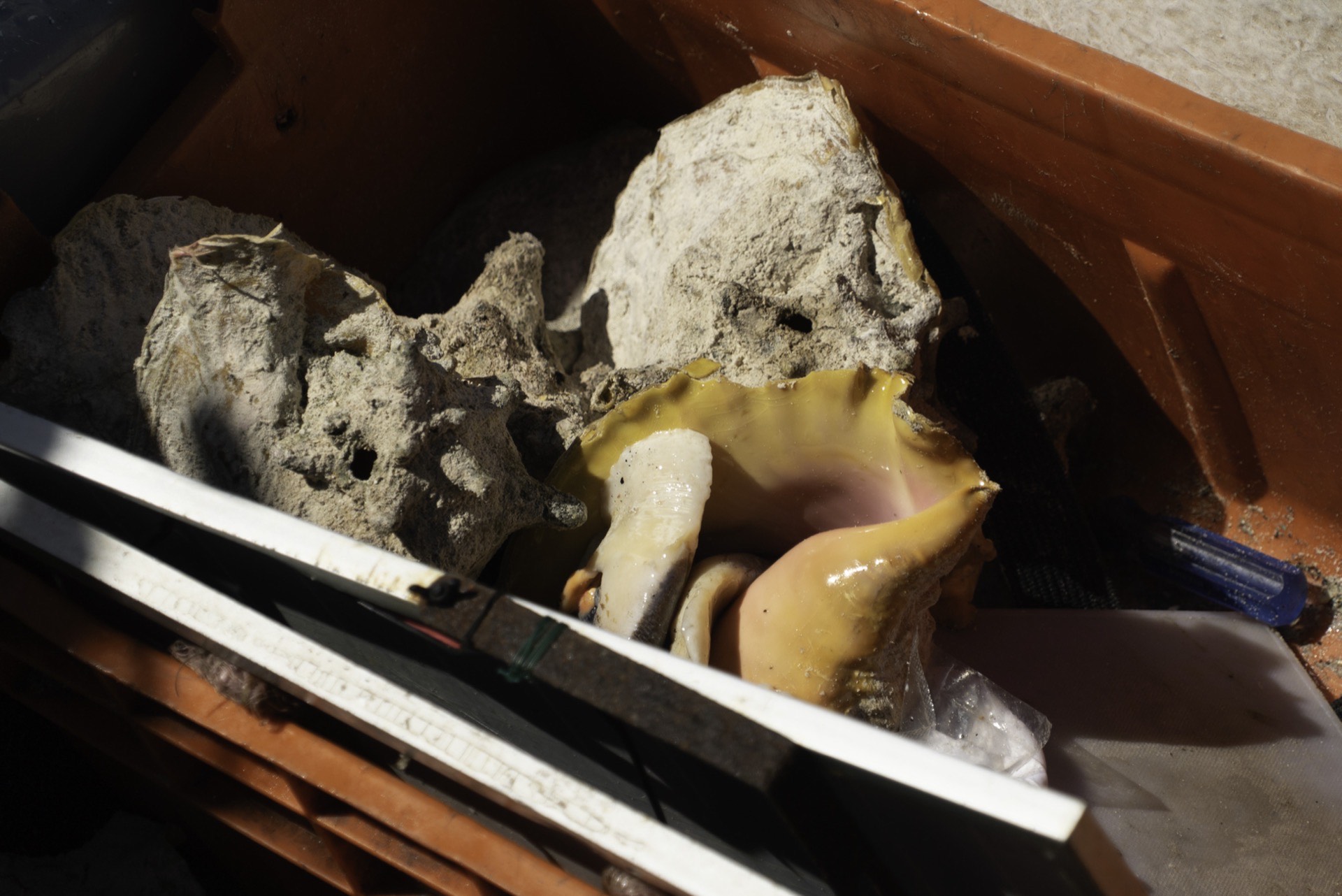
SEMAR was able to stop the panga, which had three fishermen aboard. An inspection found the fishermen had no licenses. Authorities also discovered scuba gear and a dive compressor on board — equipment commonly used to illegally harvest conch from protected reef areas. Nine conch shells were recovered from the vessel, including one that still contained pink conch harvested from the shell.
All three fishermen were detained by SEMAR and their panga was towed to Isla Pérez, where authorities from SEMAR, PROFEPA, CONANP, and CONAPESCA processed the case. The fishermen were later transported to Progreso, where charges were filed with the Attorney General’s Office for formal criminal charges related to illegal fishing inside the protected reef. The panga used in the operation has been confiscated.
An Industrial Poaching Crisis
Illegal fishing at remote reef systems like Arrecife Alacranes is not limited to small-scale subsistence activity. Many of the vessels intercepted in the park are equipped for industrial-level extraction, carrying scuba tanks, compressors, and diving equipment that allow fishermen to harvest large quantities of reef species in a single outing.
These operations can remove significant numbers of animals from an already fragile ecosystem. In March and April last year, Sea Shepherd and Mexican authorities intercepted over 600 kilograms of illegally harvested conch meat, representing thousands of animals stripped from the reef.

By targeting protected species inside marine parks and using specialized dive equipment, these vessels operate far beyond personal or family fishing. Joint patrols are designed to detect and stop this kind of organized illegal activity before it can further damage the reef ecosystem.
Sea Shepherd continues to support joint enforcement patrols with Mexican authorities to protect marine wildlife and ensure environmental laws are enforced inside Mexico’s protected marine areas. This cooperative enforcement model builds on years of collaboration in the Upper Gulf of California, where Sea Shepherd continues to work alongside Mexican authorities to protect the critically endangered vaquita porpoise by detecting illegal fishing activity and removing deadly gillnets from the water.


