
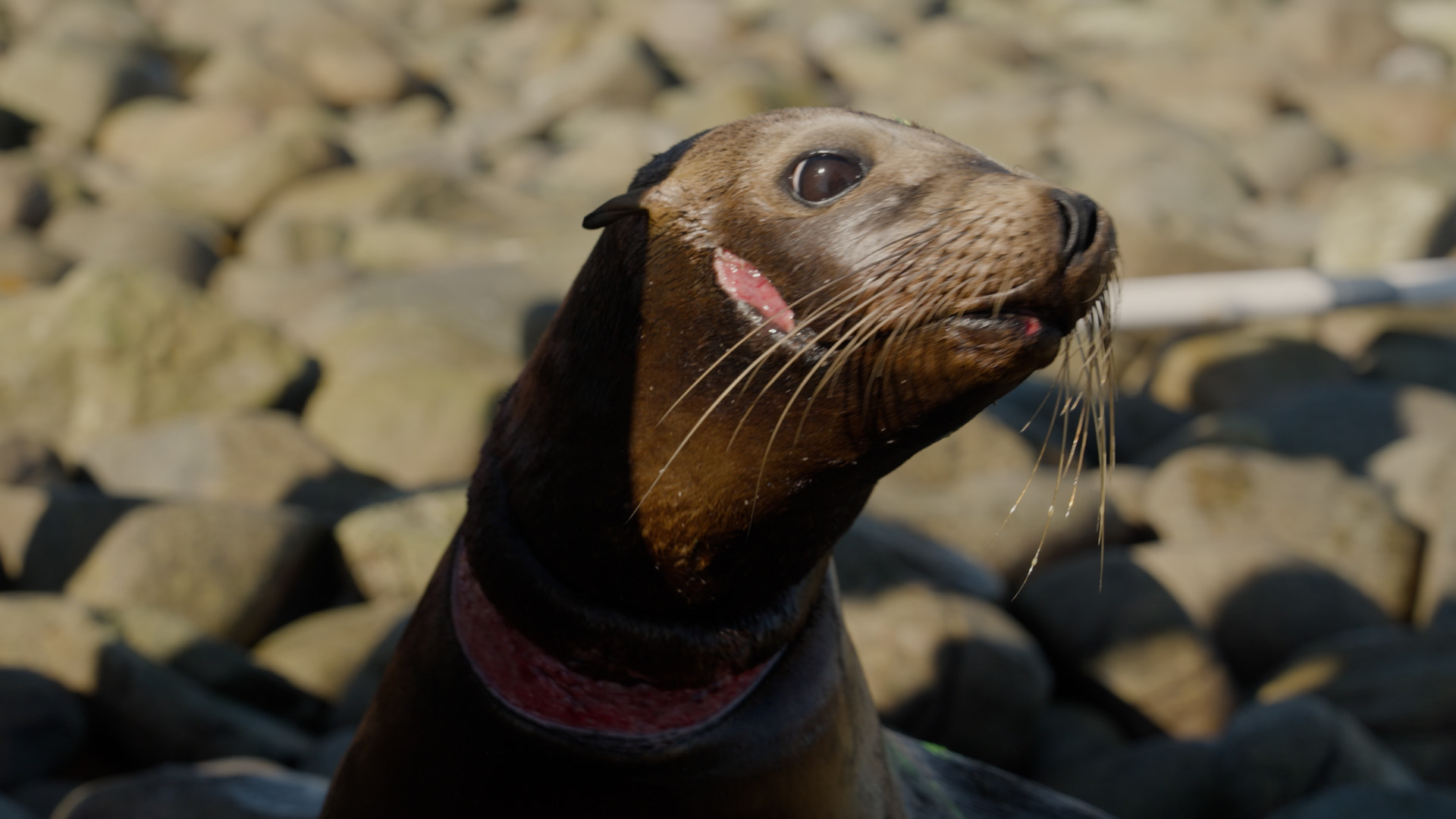
Across seven disentanglement campaigns on Isla San Jorge, Sonora, a total of 81 California sea lions have been rescued from entanglement in fishing nets — and the seventh campaign has just been completed, with 13 more animals freed from the gear that poses one of the greatest threats to the species in the Gulf of California.
The Federal Attorney for Environmental Protection (Profepa) coordinated the seventh disentanglement campaign for California sea lions (Zalophus californianus) on Isla San Jorge, Sonora, resulting in the rescue of 13 individuals: 7 males and 6 females, of which 5 were pups and 8 juveniles.
This operation is part of conservation efforts aimed at addressing one of the most severe threats to the species: entanglement in fishing nets and other lost, abandoned, or discarded fishing gear in the ocean. The rescue of pups and juveniles is particularly significant, as these age groups are among the most vulnerable to entanglement.
Seventh Campaign: March 2–8, 2025
The campaign was carried out in collaboration with Cabet Cultura y Ambiente, Grupo Lobos del Ejido Rodolfo Campodónico, Pesca Alternativa de Baja California, and Sea Shepherd Conservation Society, with the participation of federal fisheries inspectors from the National Maritime Authority of the Mexican Navy (Secretaría de Marina). The operation was conducted from the Sea Shepherd vessel Seahorse under strict biosecurity protocols and waste management practices.
According to recent studies, the California sea lion population in the Gulf of California has declined by approximately 65% over the past 30 years, making the timely rescue of entangled individuals a priority measure for the species’ recovery.
Capture, Veterinary Care, and Release
Capture and veterinary care maneuvers were carried out using hoop nets and, in some cases, a transport stretcher, allowing animals to be carefully moved to the treatment station. To ensure a safe procedure and minimize pain and stress, a portable inhalation anesthesia machine was used, enabling the controlled removal of embedded materials from the animals.
Afterward, the rescued sea lions were tagged with green flipper tags and released near the location where they were captured, facilitating their identification and monitoring in future campaigns.


During surveys conducted at the colony, six individuals previously disentangled during the 2025 campaigns were also observed swimming freely — in good body condition and with fully healed scars. This provides direct evidence of the positive impact of coordinated conservation actions and the value of long-term monitoring.
Isla San Jorge, considered the second largest California sea lion colony in the Gulf of California, is a strategic site for the implementation of annual disentanglement campaigns involving wildlife management and veterinary specialists. Across all seven campaigns, 95% of entangled individuals had pieces of flatfish (flounder/sole) fishing nets removed — a direct link between commercial fishing gear and population-level threats to the species.
The implementation of these disentanglement campaigns — coordinated between Profepa, civil society organizations, the fishing community, and marine wildlife specialists — is producing concrete results for the protection of marine biodiversity in the Gulf of California.
These campaigns reflect a sustained, collaborative model of conservation in action: one where government enforcement, local communities, and international organizations work together to address the threats facing marine wildlife where they are greatest. With each campaign, the case for continued investment in this work grows stronger.
Protecting Sea Lions in the Gulf of California
Entanglement in abandoned fishing gear threatens California sea lions at every stage of life. Monthly support makes sustained disentanglement campaigns like these possible.


