
Sea Shepherd’s Operation Divina Guadalupe
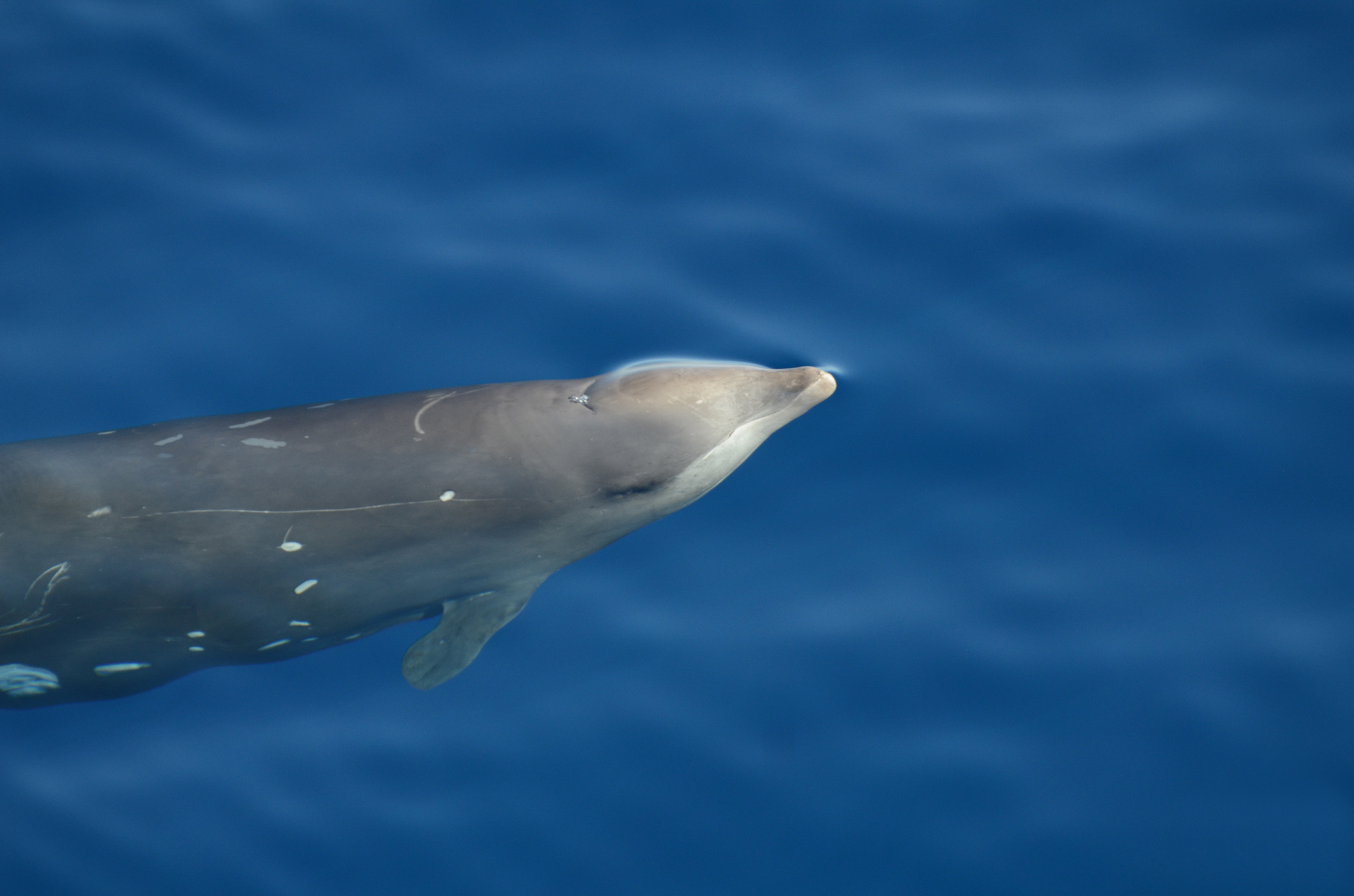
Sea Shepherd’s Operation Divina Guadalupe is a research initiative focused on studying Cuvier’s beaked whales around Guadalupe Island, Mexico. These whales are known for their exceptional diving abilities, reaching depths of nearly 10,000 feet and remaining submerged for up to two hours. Their elusive nature has historically made them challenging to study.
Sea Shepherd’s Groundbreaking Expeditions
- First Expedition (October 2016)
In its inaugural mission, Sea Shepherd’s research crew recorded 29 groups of Cuvier’s beaked whales in just two weeks—the highest number of sightings globally within such a timeframe. Among the encounters were two mother-calf pairs, signaling the ecological importance of the waters surrounding Guadalupe Island. - Second Expedition (May 2017)
During this campaign, unprecedented drone footage captured a mother and calf pair. Over the course of the mission, the team documented 24 sightings, including multiple mothers with young calves. These observations suggest that Guadalupe Island may serve as a breeding ground for the species. - Third Expedition (November 2017)
With 22 sightings of Cuvier’s beaked whales, this expedition further solidified the importance of the region. Additional marine life, such as bottlenose dolphins and a minke whale, was also observed. Importantly, the photo-identification catalog expanded to include 69 individuals, with evidence of strong site fidelity—one whale was spotted 13 times since 2009.
Guadalupe Island: A Vital Habitat
These findings highlight the significance of Guadalupe Island as a vital habitat and potential breeding area for Cuvier’s beaked whales, offering valuable insights into their behavior and ecology, and emphasizing the further need to protect this area.
To learn more about our mission and how you can get involved visit us HERE.
Help us continue this vital mission—your support makes a difference.
