
Vaquita
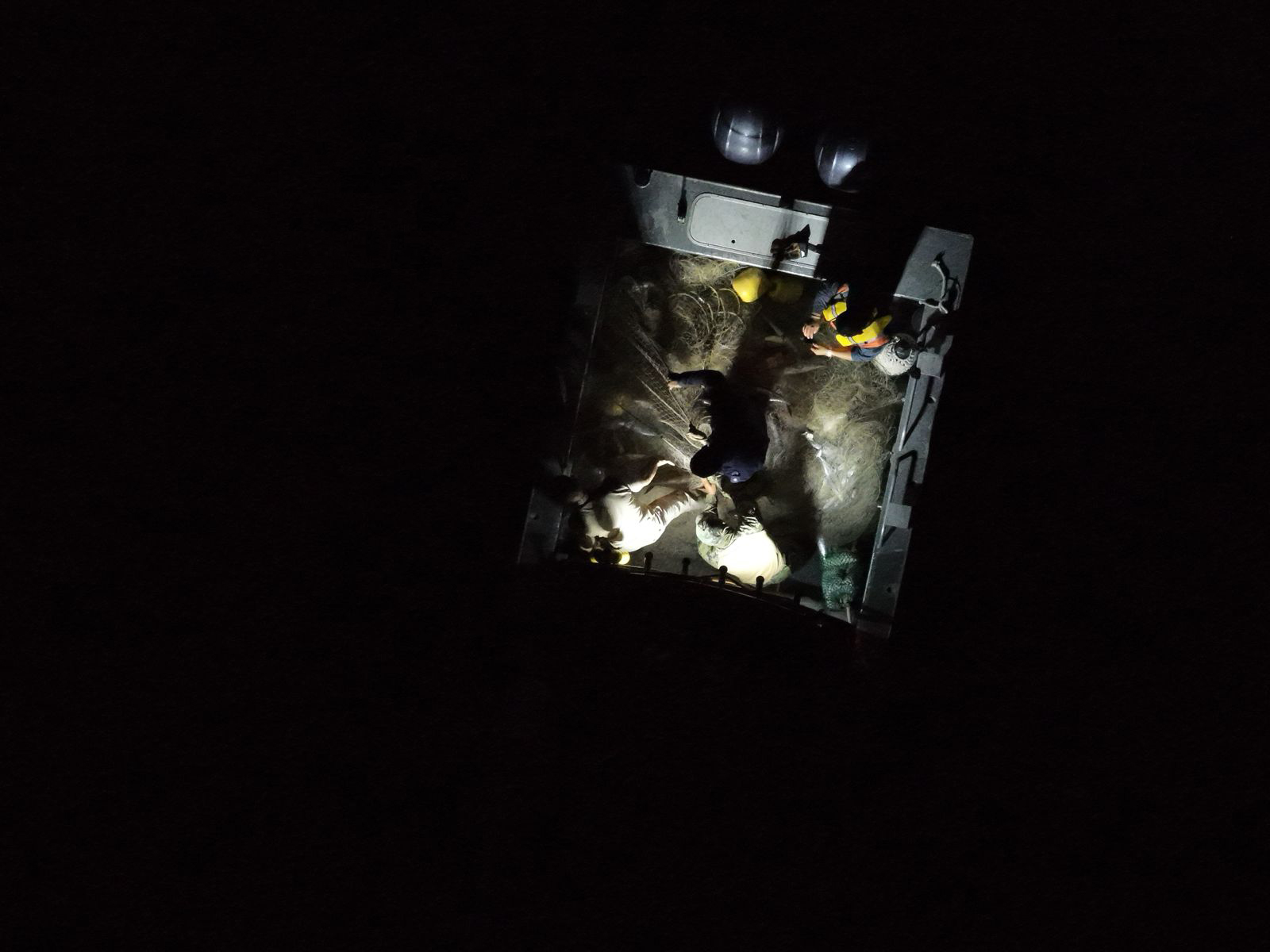
During overnight patrols inside the Vaquita Refuge, Sea Shepherd crews aboard the M/V Seahorse detected a suspicious vessel operating inside the protected area. Using shipboard radar and drone surveillance, the team monitored and documented the vessel’s activity before coordinating with Mexican authorities operating in the refuge.
When the Sea Shepherd crew confirmed that the suspicious boat was fishing inside the ZTA, the Mexican Navy swiftly deployed an interceptor boat and arrived in the area within minutes. Navy staff confirmed the illegal fishing and made sure that the nets were retrieved. The fishermen were escorted to port and received sanctions.


Illegal fishing activity tied to the totoaba trade continues to endanger the critically endangered vaquita porpoise, with around ten believed to remain. The Vaquita Defense operation is no longer a short term crisis deployment. It is a sustained operational presence designed to protect the species, deter illegal activity, defend critical habitat, and respond in real time. Daily patrols, drone surveillance, and joint operations with Mexican authorities now maintain a continuous presence inside the refuge.

Notably, this interdiction occurred the same day Sea Shepherd and Mexican authorities carried out a separate enforcement action at Scorpion Reef off the Yucatán coast, nearly 1,000 miles away. Together, the operations reflect a growing permanent presence model now being deployed across multiple critical marine habitats in Mexico.
When that presence exists, illegal activity drops. When it disappears, it returns fast.
